How sustainability is reshaping the UK rental market
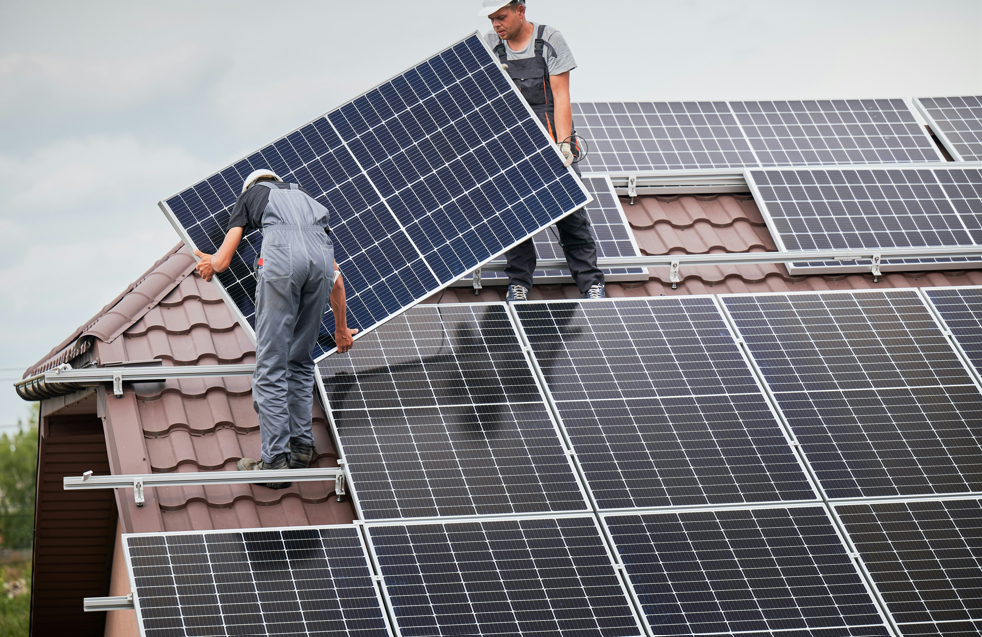
Green rental properties are poised to revolutionise the UK housing market as new regulations and changing tenant preferences encourage landlords to enhance energy efficiency. Developers might soon be obliged to install heat pumps and solar panels in all new builds.
For property investors, this transition indicates stricter environmental standards and rising tenant expectations, directly affecting rental yields and long-term asset values.
Demand is already shifting quickly in this direction, with more investors showing that tenants are willing to pay extra for eco-friendly homes. In recent years, the market has experienced a significant rise in demand for greener living spaces. This reflects both the ongoing government efforts towards net-zero emissions and the increasing pressure on household budgets from rising energy bills.
Meeting tenant expectations
With the cost of living staying high, renters are becoming more cautious about their monthly expenses. This is particularly true for those with lower incomes or individuals saving to buy a property. In many cases, paying a slightly higher rent for eco-friendly features is well worthwhile, as the long-term savings on utility bills can be significant for the household.
These energy-saving properties also provide clear benefits for landlords. In competitive markets, eco-friendly homes tend to be let more quickly, leading to better financial returns and significantly shorter vacancy periods. Energy-efficient homes naturally attract reliable tenants who value both their environmental impact and financial stability, such as young professionals and families looking for predictable living costs.
Protecting your investment
Securing these reliable tenants means landlords often benefit from longer tenancies and fewer void periods. A stable tenant base naturally reduces wear and tear, helping protect the property’s overall condition over time. Furthermore, green features can strengthen a landlord’s position when setting rents, as tenants increasingly weigh their total monthly costs rather than just the base rent.
Integrating value-adding upgrades such as solar panels to decrease electricity bills, better insulation to reduce heating costs, electric vehicle charging points, and modern heating systems can confidently support higher rental income.
Beyond immediate profits, investing early in green rental properties helps lower future regulatory risks. As the UK progresses towards strict net-zero goals, minimum energy-efficiency standards will inevitably expand throughout the private rental sector.
Looking towards the future
Landlords who implement these sustainable measures early can effectively avoid costly retrofitting later, potential compliance fines, and limited mortgage options due to poor energy ratings. Early adoption may also grant access to exclusive green finance products, which UK mortgage lenders increasingly offer to help landlords make necessary energy-efficient upgrades.
Sustainable housing features often depend on durable materials and modern systems designed to enhance efficiency and longevity. Some upgraded properties now incorporate smart monitoring technology that detects maintenance issues early, enabling you to address minor problems before they escalate into costly repairs.
As environmental standards become more stringent, sustainability is rapidly shifting from a niche feature to a central expectation, providing upgraded properties with a significantly strong strategic advantage in the rental market.